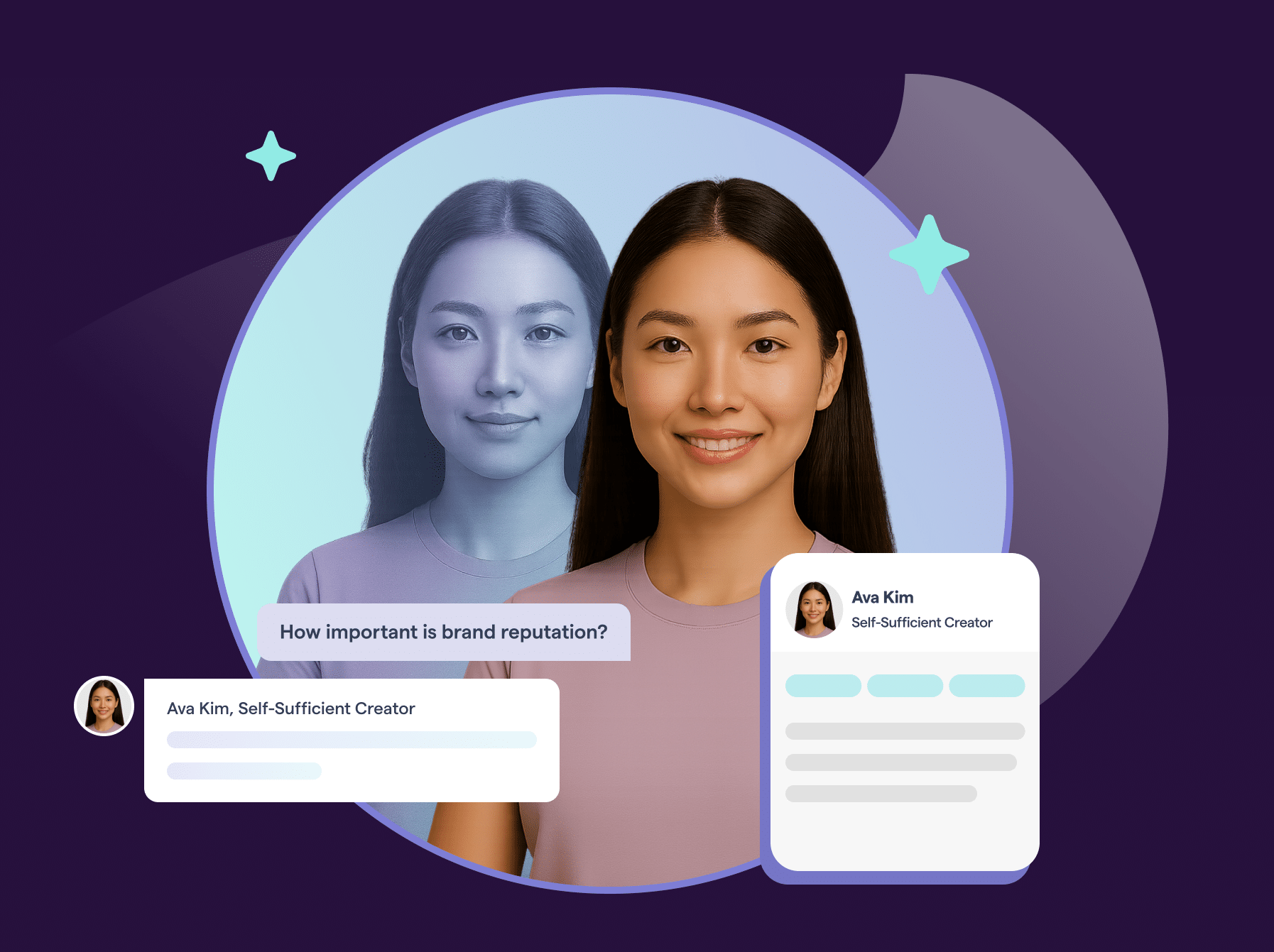


Hello, everyone, and welcome to today’s webinar, Insight twenty twenty six consumer health trends insights that drive innovation. I’m really excited to get into today’s session. Before I introduce our guest speakers, a little bit about us as the hosts. So we are Market Logic. We are a market leading SaaS platform providing market intelligence and insights management solutions. And for over fifteen years, we’ve helped hundreds of consumer focused brands like some of the names you see here, transform these insights into consumer centric decisions. But enough about us onto today’s agenda. So we’re very excited to be diving into this partnership and really showing what it’s all about. Euromonitor International, as you guys probably know, is a global data analytics company. And earlier this year, we announced a strategic integration with Euromonitor, which enables, our shared customers to seamlessly act access Euromonitor’s market intelligence reports through our AI solution, DeepSights. So this will be a two part session. First, we want to actually we are focusing today on the consumer health industry, a a really rapidly evolving industry. So, I’m excited to go into those insights. And then in the latter half of the agenda, we will have some of our Market Logic demonstrate how those insights and that report is used in our platform. So you have both the content and then the practical application of it. And because it is a two part event, I just wanna make note of the fact that we are gonna be doing a q and a for our Euromonitor speakers about halfway through once they wrap up their portion and then a q and a for our Market Logic speaker, at the end. So our speakers themselves. First, we’ll be hearing from Matthew Oster, who is the head of health, beauty, and hygiene insights at Aeromonitor. He guides the strategic approach to client and content development across the critical clusters of health, beauty, and hygiene. And prior to the his role, he did serve as the senior industry manager for consumer health. And taking up that mantle, we have Nick Steen, who took over this position for Matt and is championing thought leadership, data granularity, and future modeling in the consumer health, sector. He comes to us with past experience in both the brand side of things and strategy consulting. And, of course, from our side here at Market Logic, we have our director of product management, Joseph Rini. Joe drives the commercial and value considerations for our product suite and has been integral in shaping, the features that we launch, most recently with our persona agents offering, which you will be hearing about later. So excited to have these three gentlemen with us today. With that, I will hand things over to Matt. So without further ado, Matt, why don’t you take it away? Thanks, Caroline. I really appreciate it. As Caroline as Caroline mentioned, my name is Matt Oster. I head up the health, beauty, and hygiene insights team at Euro Monitor at International. We have a lot to go over today. We’re gonna try to take a look, as Caroline mentioned, at our recently published data, on the state of the consumer health industry. It’s a good time now. We’re in December to take a look at where we stand at the end of twenty twenty five and try to evaluate what trends are gonna drive market growth next year. So together, Nick, and I are going to be tackling the following topics. We’re going to start with, some sales numbers, right, and and how the context of of how health spending, compares to the broader economy. We’re also gonna try to give you a snapshot of the top five trends we see active now and, and likely active into twenty twenty six. We’re gonna dive a little bit deeper into two of those topics around longevity and around the future of OTC demand, and then we’ll have some time for questions as as Caroline mentioned before, Joe starts the next section. So I’m going now to pass it over to Nick to kick us off. Super. Thanks, Matt. So first up from me, a snapshot of the sales performance and what we can see going on in twenty twenty five. This chart is showing top line growth, and the bubbles give us a relative spend size for the four big blocks within consumer health. Including inflation, year on year world result for this year twenty twenty five is coming in at five percent up, back end of the year. That’s in current terms. It includes inflation. Underlying that, the real demand trend taking out price movement has a historic five year growth average, which is coming in at one point nine percent each year since twenty twenty. This year’s growth is two point one percent up without inflation, and the future five year forecast is two point three. And that number became slightly more optimistic versus our last field work a year ago, due to changes in some of the countries and the run rate for some of the countries. So the total demand trend is positive, and it’s got a very slight acceleration. Vitamins and supplements are the green bubble showing spend on prevention mainly, where OTC or over the counter, the purple, is all about treatment. So you can see prevention had a better year in twenty twenty five. Sports nutrition is a strong growth driver in health, while weight management is declining in real terms, affected by this adoption rate for GLP one. So world growth in health is steady, but we need the context of this broader consumer spending pattern. There’s a battle raging. And if I look across the economy from bottom left with stagnation to top right with extreme gains, there’s an axis of movement in the share of wallet. Industries that are completely embedded in the home, like appliances, like electronics, furniture, DIY, some of the tissue products, they’re seeing the most strongly suppressed growth. If we then look at the other end of the scale, we get to see, travel and eating out. And this is still seeing revenge consumption even in twenty twenty five. Then we see the beauty and apparel industries and how they fit into this. And it’s hovering in between the extremes. Then consumer health and food and drink fit in. Both of them are sitting in this middle ground. It’s not suppressed like the purely home based industries, but health is slightly behind beauty short term and also behind apparel long term. If I look specifically at dietary supplements and break that out, especially when I’m looking at longevity or mood or women’s health or digestion, these are outperforming even the beauty growth rates. What this all tells me is that we’re getting out and about into the world more often and we want to both look good and feel good when we’re doing it. So that’s where our money is migrating to away from life spent at home. So those are the top line sales patterns. Next, let’s have a look at the main trends that have been driving strategy. I need to quickly mention GLP one. It’s not on this page, but it actually was a major driver over the last year. Adoption continues to rise. It’s going to be a big story again towards the back end of next year with new product arrivals. But right now, it’s taking something of a backseat as it continues along the path it was on. This year going into twenty twenty six, there are five focus topics. First up is protein. Twenty twenty five is the year when more women than men claimed to be adding protein to their diets. Protein’s blurring the line between food and drink into health, and it’s one of the success factors that’s jumping out for me. When I look at high growth countries, high growth categories, protein is playing a role, a lot. The second one is health is beautiful, and we actually mean that literally. Looking healthy is number one on our list for what makes somebody attractive. Appearance is increasingly how we’re judging and valuing our health, and that’s linking into mental well-being, for Gen z. And by leaning into beauty ingredients and messages, health companies are finding they can actually speed up their own growth rates. The third topic is longevity and living better for longer. Matt’s going to give us more on this one in just a moment. And fourth, we’ve got the tariff impacts which are now rippling beyond the US. I’m seeing in the tactical skew analysis three to five percent price rises hitting US shelves, and there’s the fifty percent tariff on India in particular. That’s beginning to destabilize a lot of the botanical supply globally. So this is gonna have knock on effects even once that tariff is removed. And there are supply chain, elements where people are facing the third major shock in seven years when they’re trying to link China to the US. If I call that situation disruptive, you can safely assume there’s a fair amount of British understatement involved inside of them. I’m gonna look at the changing shape of OTC after Matt’s taken us through longevity. So I’m gonna get into that one a little bit more, in a moment. But for now, just to get us started on diving into the trends, I’ll hand you back over to Matt. Thanks, Nick. So as Nick mentioned, one of the top five trends for twenty twenty six is what we’re calling the pursuit longevity. And around that is the orientation that, increasingly, health consumers are requesting products that meet their goals for, not just a longer lifespan. That doesn’t really do us much good if we’re spending our extra time feeling unwell. This is more around seeking a longer health span to live better, not just to live longer. So this is looking at longevity claims on dietary supplements, and we can see here that they’re kind of rising across the board. So to do this analysis, we’ve con compared all SKUs visible since twenty twenty two, so that’s shown in gray, And then also all new SKU launches appearing in the in the year between year year just over a year between July twenty twenty four through August twenty twenty five. So that’s more recent shown in blue. This gives us the latest kind of orientation around an innovation cycle and the market context into which these messages are landing. So overall, kind of what does this tell us? Well, overall, just shy of around fifty percent of recent launches carried a longevity story in some capacity. Right? So these claims are grouped into four main themes. The first is around efforts, to help the body cope with aging. Right? So you’re thinking here chronic support products. This is a strong orientation. It’s one lasting one. That is seeing more incremental growth here. So immunity is the single strongest claim sitting at the top. Now the way to read this chart is that forty two percent of all longevity oriented skews have an immunity claim. Right? So you can also see in this section that heart, joint, bone health messaging are all rising gently. Chronic health in a general sense has steady growth in this orientation. Then we see the efforts at slowing the signs of aging, and we see this massive rise in in skin health in particular. Right? So this section obviously has faster growth. There’s a lot of innovation and influence from beauty and beauty section. Now the pure cutting edge, we’re also getting into efforts to fighting the effects of aging and especially around cognitive decline, slowing the whole process down. This also has claims around cellular health, sleep health, DNA repair, mitochondria, cell senescence, and the growth is is truly spectacular in some cases. Obviously, it’s around the cutting edge of of products. And the last group has nothing really to do with longevity. These are just kind of the largest of a long tail of claims that also appear on longevity skew. So this tells us about the connections between benefit architectures within long within longevity. So let’s take a look at ingredients. Right? There are a ton of ingredients that are bearing these messages in twenty twenty five. And and as with benefits, all kind of ingredient mentions are rising. This is part of the credibility battle, but some are rising faster than others. So let’s take here in the chronic area. You’re talking principally around magnesium clearly doing a lot of the heavy lifting in chronic support. We’re also seeing pro and prebiotics rising, postbiotics from a very small base, chromium rising related, to blood sugar and heart health. Now in terms of fighting the signs of aging, we are seeing a big spike this year in where you would expect, collagen, biotin, hyaluronic acid. And we’re seeing a lot of the traditional ingredients for skin, hair, nail health also rising, you know, in line with the messaging around ground longevity. Now on the more disruptive side, the the NAD plus NAD plus variants are growing rapidly now. And even the more kind of controversial ingredients like resveratrol are again rising. Now that many of them have stories, in this case, we’re on liposomal delivery, that are getting them to the intestine intact to overcome kind of prior efficacy and dosing concerns. Now on NAD plus, it’s getting expressed in various ways. The key thing to note is this that this orientation, this ingredient has escaped the ten percent niche threshold in twenty twenty five. So more than one in ten of the new longevity supplements carry an NAD plus story. Now underlying all this, we are seeing vegan ingredient messaging on the rise, and we are seeing third party certification also rising both for claims and manufacturing quality. And this supports the fact that I think there’s a lot of skepticism initially in this space, and I think that there there are consumers who do want to understand how these products work and whether they actually do what they’re saying. Now let’s take a couple examples. This is an example from a kind of chronic support orientation we were talking about. This product in particular shows, kind of a targeting sensitivity around life stages and gender, and this is where a lot of longevity is going towards. This is one of multiple, innovation spaces rising, in particular around perimenopause and menopause care. So the brand here is Health and Her. It’s a d to c or was originally a d to c UK brand, that started last year that expanded tremendously in the UK and in the in the UK in the in the last year and into twenty twenty five and actually entered the United States through Amazon and then and then into the US pharmacy CVS in August of this year. They are kind of now leaping into the male andropod space, which is a very un underserved space with a variant called health and him that gets into kind of testosterone reduction and side effects support. So this is kind of targeting, this is targeting that’s not limited towards necessarily just older age bands. We are see we are seeing similar targeting, from other recently launched, brands in the space. So body of work is a good example here and, for instance, at lung younger women, looking at hormones, balancing, and and well-being. So we talked about the NAD plus space, the NAD plus space. It is growing pretty dramatically. It is as we say, it’s kind of on the cusp between niche and and more kind of well known, but there are brands that are kind of jumping into that void. One of the bands at the forefront is is UK brand called I m eight, charging a hundred and twenty dollars a month in the United States and even a hundred and four, you’d hire for a hundred and forty euros in Europe. Right? So it’s really trying to enjoy the best of this kind of gains in this space, and they’ve been very successful. They they are now suffering major stockouts for multiple months, in this year, their launch year in twenty twenty five, because they just can’t keep up on production. Now why are they proving successful? It it seems at this stage that consumers are very willing to pay premium prices if they could be convinced that this promise of longevity and health spans, holds true. And I m eight has very clearly crossed a credibility threshold for some consumers. How they are marketing this is kind of a kitchen sink of credibility place. They have academic proofs. They’ve touted their links to NASA and their links to the Mayo Clinic and Cedars Sinai in the United States. They have, you know, the requisite certifications. They have the celebrity endorsements from David Beckham and, and Arias Sabalenka trying, helping this go viral very fast. Maybe in this case, maybe too fast. But, obviously, this underscores that there is huge potential, and the growth curve, for this area is still is still very much accelerating. So that’s longevity in a in a pinch. I wanna throw it back to Nick to go talk about our next topic, which is around, future OTC. I think, Nick, you’re on you’re on mute. Always and ever. Thank you, Matt. So the final topic from us is this priority shift we see playing out between treatment and prevention. This is the forecast for cough cold remedies by country. The bubble size for a future forecast is the cash value delta growing between now and twenty thirty. The world picture is stagnating, and it’s dragged down by North America. This is a good example of the point I want to make. It’s broader than cough cold remedies, but this is a good principle to build it around. We need a bit of context on demand drivers. We analyzed our data lake across the economy to see what correlated strongly, either positively or negatively compared against cough cold remedy sales. So this looks at the links to the severity of an infection season from what people are doing, but also what they’re not doing. And socializing logically drives infection. The location matters, the duration of being together matters, Also, the type of contact. So one of the things we noted is face kissing greetings in the Mediterranean seems to increase the level of correlation for the social aspect and particularly that contact point. More time alone driven by remote work, higher screen time spent in isolation, this rise that we can see happening demographically in single person households, all of those things are actually reducing transmission rates. Hermit behaviors where people are avoiding shops to avoid humans also link in, and that’s still a lot stronger than most people think it is in the raw numbers. And the hand sanitizer spending serves as a reasonable proxy for out of home hygiene vigilance. The point is treatment is stuck inside a stagnation trap. Demand is inflicted on rather than directly controlled by a lot of sales companies because these are all external factors and brands can only fight over the existing size of the pie. We see this playing out in the spend movements So what’s been happening over the last ten years when you’re tied to only one moment in the wellness journey. So for this analysis, I’m looking specifically at US. It’s done as spend per capita. It’s comparing twenty fifteen versus twenty twenty five to show this long term underlying movement. And overall, I would say spend is slightly down. It’s actually the mixed movement we’ve got to watch here. In the wellness journey, so we start off feeling okay, but this is where we’ve increasingly been persuaded to invest, to stay well. Immunity oriented prevention is about the supplements. It’s amounting to just shy of seven dollars this year specifically per capita for that mission. It’s up eight percent and that’s increased it slightly within the mix. Next comes the moment of high risk. This is the first onset of symptoms or it’s sitting on a train next to a serial sneeze or someone coughs at you, sneezes on you. This is when people break out vitamin c overdosing, and they’re investing in vitamin d bomb type products. That type of spend is strong at ten dollars per capita, and it’s up ten percent. That increased noticeably in the mix. Then we go fully symptomatic, and we’re reaching for the cough remedies, the decongestants at just shy of twenty two dollars. This is ten percent down in cash terms. It was fifty five percent of the mix. It’s at fifty one percent now, and the forecast, actually follows it down below fifty and we’re then chasing forty five as the next milestone. So this is a substantive change. Lastly, we’ve got the recovery period and we’re trying to make ourselves feel better or at least we’re starting to try and hide some of the symptoms with things like throat sweeps. That spend is at four dollars fifty and it is the most positive up thirteen percent over the period. Then we get to feel well again and spend flips back to the immunity boosting, probably with a willingness to try some new products, try some new brands, try some new messages because, of course, it actually failed on the last cycle. If you are stuck in this one moment, this is the stagnation and decline trap. What can you actually do to increase the demand for this part of the equation? So escaping from that trap has a short term and a long term aspect. Both involve expanding to take on more meaning across that wellness journey. We see it starting to happen. There’s multiple brands carrying immunity messaging within cough syrups, cough products. Zombies have it, beekeepers have headed there, nature’s way is there, Mucinex is growing there. We also see messaging to take these immunity boosted products at the first sign of symptoms to reduce the severity of the infection. Again, this is migrating on the wellness journey. And that’s got some implications because it means the product has to be stocked at home ahead of the moment when you know you’ve got need. So we also see more thought going into product shelf stability and preservation within formulation. Longer term, there’s another aspect to this. Technology is doubling down on that capability. We’ve got things like Auris symptom radar, which turns that high risk moment into a two day period of certainty illness is coming. But it’s not here yet. It’s not locked in. The severity is not yet known, not yet defined. So that affects the willingness to purchase, the urgency to purchase, to spend a lot and it actually allows for a considered purchase rather than an impulse one. And we see from survey data that generative platforms are increasingly trusted for health advice. So those two things conflict. If we go back to this visual for a moment, think of it instead as the beginnings of an ideation stimulus For all the types of data, an AI health adviser could actually start to look at to observe obtain and measure a risk, a personalized risk level for predictive infection. And that’s from environmental data. It’s not just about our own personal health and sensor data. That’s the direction of travel for this trend. It’s leaning into the advantages of AI systems long term and better exploiting that high risk pre illness moment. That’s where preventative treatments heading to escape that stagnation trap. So on that note, that’s a wrap on our prepared material. I want to thank you for listening. And, Caroline, over to you. I think we’ve got some time for questions. Yeah. Yeah. Thank you for timing that out so well. We do indeed have some time for questions. So if anyone has anything they want answered by Nick or Matt, please put it in the tab now. But I’ll I’ll I’ll start with some of the ones we do have already. First of all, thank you for preparing this report. I’m sure it is only scratching the surface of, the depth of your consumer health knowledge. So allow me to just stay a little bit granular for the time being, and I’m wondering if you, what you guys can share about your monitors methodologies for putting together this report? I can I can start? So Euromonitor uses, for those of you who don’t know, Euromonitor, is not just consumer health. We we follow about over thirty industries, and and we monitor them over the course of the year and produced datasets behind that. To do so, we use a a mixed source methodology so that we can broaden our our scope into into regions and markets that maybe are are maybe a little bit more, data data week. So we’ll obviously rely on scan data and financial disclosures by companies, and other components that are obviously best in class sourcing. We also have our own proprietary tools around ecommerce. And maybe, Nick, maybe after I finish, maybe if you wanna go into some of the work that you’ve been doing on on SKU based analysis that we have that’s all our own proprietary information. And then we have teams of analysts on the ground that are actually more like investigative reporters in some of those markets where you you you the long arm of scan and financial reporting that doesn’t really, doesn’t really reach. So they’ll be engaging with stakeholders across across the industry to make sure that our, our coverage is is robust in those markets as well. There’s a lot more on methodology, but maybe for sake of time, that’s probably where I’ll I’ll end it. Nick, don’t know if you have any maybe quick follow ups on that. So, yeah, I think one of the interesting things is the strategy to tactics. So I think the the passport numbers, the system, and the methodology you’re describing is how we support strategy. And it’s looking at the five year history. We’ve actually got fifteen years of history sitting behind. We look five years ahead on the forecast. What we’ve also got is the tactical answer, and that’s where we get into the skew analysis. So we’ve trained over about five years now. We’ve been training a system to be able to scrape all the websites that are of critical interest for forty markets. And and I tend to focus on the top twenty for consumer health. And that allows us to do that skew analysis that you saw a moment ago. We’re capturing all of the attributes and we’re capturing price movements. So I use that for things like the tariff and other systems to see price changes over time and what’s hitting the shelf. It gives us more options. We’re able to actually answer something around what happened last week, last month. Whereas some of the other broad, large scale data can only speak to the year. So this is how we get into who, how, why, where, what. We’ve answers to the whole picture because we’ve got both the strategic and the tactical side of things. Yeah. Okay. Thanks for sharing that. That’s, quite interesting. It’s obviously a very comprehensive and and multimodal approach. And, obviously, coming from our side from the Gen AI side of things, you know, the understanding is that the quality input, translates to quality output. So, I think anyone using, Euromonitor reports can can trust the quality of those those inputs. Let’s go over to Nick for for a second question. We’re gonna hear a little bit more about, you know, longevity. That’s the example we’re gonna use for Joe’s portion of the event. So I’m wondering if you could share a little bit about how you define longevity messaging or longevity claims that you touched on earlier, in your in your, presentation. Super. That was fantastic. You’ve put my screen up. That’s very kind. In order to get this across, it needs I needed a little visual aid. It’s quite hard to chat this through. So if if we think about what’s in longevity supplements, you saw a wide range of different claims on the screen. Only some of those go into the filter. So if I look at umbrella terms, we’ve got things like healthy aging, health span, longevity. Those are the buzz words. They’re the things that a lot of people speak about and they’re rising on the skew communications as well. What we’ve also got are the chronic support elements, But think through that if I just did that list, I would then miss out on quite a lot of different variations, not least of which is spelling errors, which is one of the entertaining things around. I found so far five ways to spell spermidine. So the the the there’s a lot of interesting things you’ve got to think through around synonyms. So I’ll give you an example around blood sugar. We don’t just look at blood sugar. We’d look at blood sugar with the space removed. We’d look at sugar spelt wrong. We’d look at that there’s all kinds of variations you’ve got to build in to capture everything that’s in scope. And we look at glucose. We look at glucose levels. We’ve got glycemia. Glycemia has actually got multiple spellings depending on where you are. It’s that kind of thought process to capture what’s making it into the filter. So that’s chronic. And then we’ve also got the cellular side of things. That’s where we’re into more, around autophagy and the the self theory, the microchondria theory. And if I look at cellular health, some also has a next level down. So we’ve got to think through all the ways people talk about cellular health. So we’re capturing cellular health and a repair micron. That it gives you an idea. Each one of these is a rabbit hole that you can dive into, and the complexity level is huge. That’s what I mean by training a system to be able to do this. That’s why how long you’ve been doing it for actually is a big factor of how good the quality of the data gets to. And keep in mind, it’s going through the filter of clients who are happy and unhappy. So over time, you get much closer to reality. And this isn’t mature now. I mean, this the system’s coming out with some very interesting numbers that are helpful. Yeah. Thank you. I’m sure anyone in the audience who’s spent some years in market research, you know, this brings very true to them. They know the heavy lifting that goes into producing, high quality data out output. So, yeah, thank you for sharing that. One quick thing. I know we focused a little bit on global sales trends as well as focused in on the US. But just, for people joining from around the globe, what other use cases or geographies, have you looked at, in the realm of consumer health that might be of interest to people? So a little bit of background around this one. For longevity, US is the strong market around the cellular health side of things. There’s also quite a strong heart element. But if I actually want to look at the biggest growth areas, I’m actually turning to Asia. If I’m thinking about that chronic support, it’s already a dominant area in terms of spend. It’s got a big rise. There’s a big hit coming out of China. And also things like omega three, if if that’s where you’re looking. There’s already a substantial market growth area there. If I’m looking at that longevity topic around the sixty plus h band market, around sixty percent of that target market is gonna reside in Asia within the forecast period. So we cannot just focus on US. US is where some of the sexiest things are happening around some of the tech. They are the the research and development, the new products that are coming out. But the actual size of the prize isn’t gonna live just here. It’s it’s spread out. And even Europe, one of the more, shall we say, hesitant markets when it comes to new things, even that’s getting on board inside of some of this area. So the the opportunities are wide. In terms of use cases and the sort of things we’ve done this analysis for, we’ve done longevity. I I I showed beauty as a topic in that, like, top five trends at the beginning. We’ve also done the deep dive on beauty to look at what’s driving that, focusing different filters. You you you notice beauty gets captured when we look at longevity because fighting the signs of aging has become a fundamental part, but it wasn’t in the filter for longevity. Keep that in mind. It’s sharing those SKUs with the longevity claims. So it’s in that that’s interesting. But we’ve also looked at things like mood recently. That’s been a rising interesting topic and stress relief, that kind of thing. But any area of claims, we can build that type of model using the data. Great. Yeah. I mean, we don’t have enough time to do a deep dive into all the all the topics that you mentioned. But, again, I think, you were able to show us some really interesting trends. So I thank you for that. And for for those in the audience who want those other deep dives, you know, your monitor is at your guys’ disposal. But with that, thank you to Matt and Nick, for their portion of the webinar. We’re now gonna look at how someone can use a report using the insights we just learned and, translate that into real time decisions, consumer understanding, really exciting, demo to show of our persona agents. So I will hand things over to Joe. Joe, take it away. Yeah. Great. Thank you so much. And so in my section, I wanna introduce you to Market Logic’s DeepSights platform and show you a little bit how our customers, so insights, innovation, business stakeholders are leveraging all of the impactful research that the organization holds, and in particular, perhaps the exact report here that we just heard all about from Matthew and Nick, and how they’re leveraging that in the Market Logic platform in the key activities that are relevant to them in their insights and innovation roles. And I’m gonna do that today throughout this presentation by orienting around Maya. So she’s a fictional director of innovation focusing on longevity brands, of course. And she’s tasked with influencing the growth agenda by trying to identify breakout supplements or ingredients that can be used in new product ideas and directions. And she rings true to somebody that we’re seeing more and more in our customer base, which is beyond the sort of day to day research and analysis that insights innovation professionals are asked to do. She’s really being asked to influence the growth agenda and help the company take strategic directions. So we’re gonna come back to Maya throughout, especially as I go into the software demo itself. But first, I wanna talk a little bit about the challenge that we see, and that’s all around connecting the dots between the sorry. It’s all about connecting the dots, and we see a kind of status quo versus a new model that we’re terming always on intelligence that I wanna talk about. So status quo for us is path of consumption of insights, reports, trends, and we’re talking about now moving towards leveraging the power of generative AI to take those, process those, and work them in a forward thinking and agile way So that the impactful reports like that EuroMonitor report that we just saw are not just being consumed once, twice, and insights pulled from them by the handful of customers and the insights teams who are getting hold of them and then trying to disseminate them throughout the business, but they’re really then connected with other trends, with other content and insights in the organization, maybe with quant data that’s sitting in other teams coming together in one, linked and directional sort of, way of working as a company. And that then feeds more strategic work like targeted segmentation work, overarching strategies around innovation, new brands, and new markets. So with the Euromonitor and DeepSights partnership, you are now or you are able to access those, Euromonitor reports directly in the DeepSights, platform, and they’re seamlessly searchable and available to you in the same way that all of our customers’ internal content is. This means that that content is available for all of our purpose built GenAI tools, whether it’s, our DeepSights business answers capabilities or more impactful, agentic flows that I’m gonna talk you through, in this demo. Understand those reports in the context of our business. So Matt talked a little bit there about the synonyms and certain terminologies and so on associated with these specific topic areas. Well, our system understands our customer’s context and is able to parse through that, working with the materials as it’s intended. So let’s come back to, professionals like Maya, that, innovation professional. And what I’m gonna show you now as I go into the system is how somebody could go from that signal, so that your monitor trend report in this case, and work it all the way through in one sitting really in our platform to a validator or a preliminarily validated product concept idea all based on that report and other information available to the platform that’s proprietary to the given customer. And I’m gonna take you through that in a couple of sets steps. First of all, Maya will work with, a reasoning chat experience, so really leveraging DeepSights conversational AI capabilities to help better understand the your monitored report within the context of her company, pulling in other sources, helping piece apart important aspects of the report. And then she’s gonna whittle that down to some early concept ideas and take that over to the DeepSights personas agents, simulated or, yeah, synthetic large language model backed personas based on her organization’s understanding of their customer segmentations to run those ideas by the segmentations and help further refine them before further testing. And with that, I’m gonna take over the screen and start the demo. Just please give me a second. So I’ve come into a demo Market Logic DeepSights platform. This the content in this platform is centered all around consumer facing health care. And before I even jump into that user journey that Maya’s gonna go through, I want to show you a quick case that probably takes up a lot of Maya’s time typically, which is maybe a business stakeholder comes to her to also try to understand what the latest trends are, perhaps referring to that your monitored report. So, of course, in the platform, first of all, the your monitored report is an important piece of information relevant to this company, so we’re really showcasing it for anybody who’s accessing the platform. But users are typically gonna come and use the DeepSights GenAI answer capability here to try and get a better understanding of the content. And this user’s look or this business stakeholder’s looking to understand supplement messaging around longevity. So they would ask a question like, how are supplements launched since twenty two second half of twenty four leveraging longevity messaging. Right? So something directly relevant to that your amount of report. At this point, DeepSights is gonna go ahead and start combing through all of the reports in the system, including that bureau monitor report, looking at both the text, but also the infographics, the visuals, and so on that help make up the total context of all of the content. Also, look to externally integrated sources, perhaps some structured data, and try to identify the most relevant reports and data sources to help form that answer. And as DeepSights has now sort of assessed those, it’s gonna start it’s gonna bring back to us a synthesized answer here that takes into account all of those pieces of content. The first thing you notice on the right hand side before even going into the answer is, right, that euro monitor report is featuring very highly in the sources here because, one, it’s super relevant to that topic area as we just saw in the presentation. It’s also very recent, so it’s gonna feature high. And as we look through the synthesized answer here, you can see all throughout the places where that euro monitor report has been referenced to help generate this answer, even drive down to the pages that underpin all the claims. And we can see a couple of auxiliary reports here that either helped augment that answer or maybe added some contradiction information that is then analyzed. So that’s just a quick look at how a business stakeholder, also an insights user, might be leveraging the DeepSights answer capability to get quick business answers based on all of that content using our trusted sort of hallucination free capabilities. But let’s come back to Maya now. So I’m gonna put myself in the shoes of Maya and come over to our DeepSights chat experience. This is much more of an iterative chat experience based on that same technology that underpin the DeepSights Answers there. It really lets the insights and innovation professionals dive through the the content in an iterative back and forth. I’m gonna just quickly come into a chat that I maybe as my have been undertaking. So I simply asked, look at the euro monitor report. Right? So the very report that we just saw presented on. And what are the breakout ingredients in longevity? Look for some differences between twenty twenty four and twenty twenty two. The system has gone away, found that report, and brought back, like the DeepSights answer, this synthesized sort of answer telling me where in the in the evidence repository it has found all of that content. And now let’s do a little bit of further investigation. So Maya might wanna better understand, for instance, how this compares to other research specifically around that hot topic, NAD plus variants. So the model is now gonna go away and recome the repository looking for specific information related to that question. You can actually see how the intelligent model deals with the user’s question, reasons about what it thinks it should do next in order to really pinpoint where it needs to look, and it’s brought back another synthesized sort of answer here, bringing in other data sources to help us better understand what the actual nuanced information there is. And let’s now try to shift this as we as Maya start moving towards some product ideas. So what do we know about our consumers’ willingness to buy these longevity ingredients? So now Maya’s going from understanding the space to try and sort of now target it to what we know about our consumers. You can see the model is looking for consumer attitudes in the data. It’s also looking for more information about the specific ingredients, and it’s going to identify and synthesize this for Maya in a very targeted way helping understand, like, for instance, what segmentations this might appeal to critical decision drivers they would likely need to need to consider and so on. Right? And this is all based on the data. This is nothing is preprogrammed here. This is really what’s in the information available to Maya. So maybe before including this kind of summary research, Maya would ask, hey. You know, create me a table. I might wanna take this away share it with stakeholders. We’re also focusing on the gen zed and millennial space, so it would be great to get this structured in a way that’s easy to take away. Again, the model is quickly thinking. Don’t always need to see what it’s doing if you don’t want, and it’s gonna now come back in a nice structured table, helping re really make sense of their all that information. So Maya would likely take that. She might save that, come back to it later. As said, share it with stakeholders. But now I wanna shift gears and start to really ideate around some product areas so I can then take those and move them on to the personas agents. Let’s ask if you could if the model could create three early stage product ideas for the segment. Right? So the millennial segment, as I’ve been speaking about that in the chat around the product area. And it’s now gonna go up through the entire chat and look at what areas would be potentially relevant to that and create some realistic and evidence backed product concept directions that help Maya steer where to spend more effort now. I’m just gonna grab one of these, copy that, and let’s go over to the personas environment. So Maya would now arrive at our DeepSights Personas agents. Just stepping back for a second, Personas agents are large language model backed chat based experiences that are based entirely on our customers. So in this case, Maya’s company’s understanding of their customer segmentations. They’re often built on a u and a study research or raw transcript interviews with these customers. And then the insights team would likely have structured these into a couple key segmentations. So for instance, we have Maria Alvarez, a fictional community catalyst in the, like, longevity space. You can go in and look at all the kind of background information about her that makes her a very realistic customer. I’m gonna jump over to a project that Maya’s been working on and just go into a group chat with both of the longevity personas to show you what this looks like. Right? So first of all, Maya would have asked just for a quick introduction to the two personas and then tries to better understand their approaches to longevity. So, know, in particular, are they doing anything with, you know, longevity right now? And you can see the realistic answers coming back based in this company’s understanding of their customer segmentations. Interestingly, both are in mentioning NAD plus supplements because that’s already a hot topic that’s been surfaced in the underlying data that’s underpinned these personas. And, you know, Maya found Rahul’s answer interesting here, so she quickly added him and just asked for some follow-up questions about, like, for instance, where he’s heard about NAD plus because he he was a little more skeptical about actually using them. So that might underpin some further refining research into the actual segmentation that Maya’s now gonna focus. As that chat maybe comes to a close here, she could simply summarize the chat, a large language model then amasses everything that was discussed, even pull some key quotes. This is downloadable, copyable. This can form part of that larger research package that Maya’s doing around the space as she refines her idea. And now Maya’s gonna focus, in this case, particularly on Maria because she expressed a little more interest in potentially trying the products, and it’s a focus group that’s already been identified as a strategic area. So let’s go ahead, and I’m gonna load up the Maria and Alvarez chat here. And all I’m gonna do is paste in that product concept that we identified in the DeepSights chat. I won’t even really frame it and ask for feedback. The personas already know what to do when they’re exposed to a concept like this. So Maya’s gonna now consider this suggested product direction all based on her our understanding of how she or how her segmentation would think and and feel about something like this. And she’s come back with, you know, a response around the appeal, why it worked, referring to, for instance, the price point. And you’ll notice that she’s bringing in some, like, modern influencers, like Andrew Cooperman, for instance, who might have already put this on her radar or who might be a source or an influencer that would help put it on her radar. So great. I think that’s something actionable. Let’s pull over a image of perhaps a a a concept around this project that we’ve already developed as part of that earlier research we’ve done. Suppose we’d gone off and come back with some visuals. I’m simply gonna paste that in. Let me just copy that first and ask Maria what she thinks about this. Right. So now the image is loaded into the chat, and Maria’s able to look at the image as well and get a better understanding, give us some feedback on how that might appeal to her. So, you know, the image speaks to her. She likes the futuristic tech forward aesthetic. This kind of fits her, a, let’s say, age cohort and what we know about her. And she also likes the fact that it’s really prominently explained the price point. So we could go a lot of different ways at this point with this discussion, jump back into a group chat, ask Maria what type of campaigns or slogans might appeal to her. Let’s just conclude the chat by showing a couple or a hot feature that we are about to release with the personas, which is image generation. So imagine at the end of this chat, I simply asked Maria, well, one, what did you can can you please, like, capture for us visually how the product appealed to you? Imagine you could, on the fly, just immediately generate this understanding to disseminate internally of how that particular product works with Maria based on what we understand about her, what we understand about the product. Imagine for that group chat that we had done previously for the both of them come away with some neat visual descriptions for how they might think of it. So there’s a lot of exciting things happening in the visual generation space that we’re also excited to be releasing. Just for fun, I couldn’t help myself and did a nice one that summarizes more or less what I tried to talk about today. Right? So combining the EuroMonitor piece with DeepSights via this deep integration coming through our purpose built AI tools, And then we had Maya speaking to Maria and ultimately arriving at some preliminary, but nonetheless very, let’s say, refined and moved along that innovation pipeline type of understanding of a key future product direction potentially. Great. And with that, I’d like to come back to you, Caroline. Yeah. Thank you so much, Joe. That was a really in-depth demo, and I think it really shows how we can take something like the euro monitor report and really try to bring it to life, through a bunch of different features, really extend the staying power of this research, making sure that it, reaches various stakeholders in a very intuitive and easy to use way. So, you know, that’s just a a brief look into how this partnership is impacting people in the the world of consumer health. And if you’re interested to try the Personas agents, we are offering free trials, so feel free to reach out. Let’s wrap up here. I wanna, make sure that I let everyone go by the top of the hour. So just a few questions for you, Joe. Obviously, personas, that’s a very, it’s a very hot feature in the market research space now. So I’m I’m wondering if you can gloss over the benefits of our DeepSights personas offering versus other various stand alone personas offerings that, people might encounter out there. Yeah. So very good question. I think there’s a couple of different ways that, having these personas built in a platform like DeepSights where you’re already working with all of your your insights and hopefully working on innovation work like I showed in this demo. So one, that all of the content that’s used to build these personas already typically sits in our platform. So rather than having to share that out with other third parties and so on, maybe you’re gonna build this download offering there. We can simply tap in in our secure way to all of the underlying content to create these personas in the first place. And then as they’re then in the centralized repository, they’re uniform. They’re controlled. They’re set up by us with oversight from typically the the insights POCs who really own that work at the given companies, and they can then be accessed by everyone within the organization, which is a great benefit of that. The other thing is we just have an sort of excellent, I would say, innovation pipeline with the personas. Given our experience in in the past couple of years, given our DeepSights offering, they were able to bring in these, you know, latest models, visual creation capabilities, API support for the personas, all based on our infrastructure and development product teams around them. Yeah. Thank you for that. I guess the the next obvious question is how people would get started. You know, what kind of materials and steps are required to get people up and running with DeepSights? And maybe you could even speak to the Euromonitor integration as well, how that gets started within DeepSights as well. Yeah. So, I mean, typically, for the personas piece itself, customers are coming to us with either their persona segmentation work. So they’ll often have these personas built in static decks and, you know, even pre GenAI, they’ve been trying to disseminate them and use them internally. They provide us with those materials. We bring them to life in the system. We can also take respondent deep level data or moving into raw raw or some more raw u and a analysis survey results and start to turn those into personas. In terms of DeepSights generally, I think it’s also a very easy and streamlined approach. Typically, we just need a couple days to get ahold of the first set of content from the customer, and we can launch a DeepSights offering. The the the Euromonitor integration is, again, almost a plug and play offering for us. So both for our existing customers and newly implemented customers, it’s simply a matter of us making up that connection between the EuroMonitor system and the Market Logic system so that while you’re seamlessly searching, asking questions, or using our other GenAI tools, we’re looking at the EuroMonitor content as well and directly go into that, pulling it in, and so on. Got it. I think we will wrap up there just being conscientious of time. So other questions, we will follow-up online. I have gotten a few questions about the deck and the report itself, so I will let you guys know that that will be shared out along with a recording of this presentation tomorrow. So you will receive a copy of the slides. If I can just say another round of thank you to Matt and Nick for joining from Euromonitor. Again, this is a really exciting partnership that extends beyond the realm of consumer health, but I I can’t think of a better industry to sort of kick off this conversation. It’s it’s really interesting, the insights that you shared. And this is actually our final webinar for twenty twenty five. So we’ve teased a little bit about the trends for twenty twenty six. We will, of course, be diving into those as the year unfolds. But for any of you who have joined our other webinars, we really thank you for for being in the audience. It’s been a pleasure, and we’re excited to show you some some new innovations in the New Year. So, again, thank you, Matt. Thank you, Joe, and thank you, Nick. I wish everyone a happy holidays. Yeah. We can give a little wave to the audience, and hope to see you again at a future event. Thanks, guys. Thanks, everyone. So much. Thank you. Good day. Bye bye. Bye.
As consumers redefine what it means to live “healthy,” the consumer health landscape continues to undergo rapid transformation. In this session, Market Logic and Euromonitor join forces to explore the emerging health and wellness trends that will shape 2026 and beyond—and how insight-driven organizations can turn these signals into tangible business growth.
You’ll hear first from Matt Oster, Euromonitor’s Head of Health, Beauty and Hygiene Insights, and Nick Stene, Euromonitor’s Global Insight Manager for Consumer Health. Their keynote will highlight the latest data from Euromonitor on what drivers are most impacting the fields of consumer healthcare, including:
- Global Context & Key Trends: Overview of 2025 consumer health market dynamics, including world sales patterns and the five major trends shaping the industry for 2025-26.
- Longevity as a Growth Driver: Deep dive into longevity claims across chronic health, beauty, and cellular health, supported by case studies and the rise of claim support evidence at scale in supplements.
- OTC Demand Shifts & Opportunities: Analysis of changing consumer behaviors – impact of infection rates, allergy spend, and pet-related triggers – highlighting actionable strategies to pivot toward new spending priorities and capture incremental sales.
Then, you’ll hear from Market Logic on how teams can leverage these trends We’ll provide a practical look at how you can use your latest consumer healthcare reports to ideate and innovate with AI-powered tools like DeepSights’ Persona Agents.
This session equips marketing, product innovation, and research teams with the information they need to stay on top of the latest consumer health trends, as well as a live look at the latest AI tools that are transforming the way teams can harness these trends to unlock business growth.
🎤 Session Speakers:
- Matthew Oster is the Head of Health, Beauty and Hygiene Insights at Euromonitor International. In this role, he drives editorial strategies for Euromonitor’s global health, beauty and hygiene industries and provides global insights and thought leadership on pressing topics for clients in this space.
- Nick Stene leads Euromonitor’s consumer health research globally, delivering quality improvements to data, nurturing a growing team of industry specialists, and championing strategic thought leadership and client value. Nick spent near two decades in big name brand and retailer product roles, then defecting to research and consulting for the last decade.
- Joseph Rini currently serves as Market Logic’s Director of Product Management and is responsible for driving the commercial and value considerations for the organization’s product offerings. Throughout his years at Market Logic, Joe has been integral in shaping the direction of the organization’s AI-enabled product suite through collaboration with a diverse customer base of enterprise insight leaders.